Laravel Tutorials

Using Variables in Your .env File

Published
Using Variables in Your .env File image

Laravel’s .env file is included to use, so it’s easy to have a different configuration based on the environment your app is running on. This gives you the flexibility to have different variables for local, staging, production, and even different developers’ machines.

Typically these files are small and manageable, but there are times when you run into situations where you duplicate the same data within the file. Here is an example:

MAIL_USERNAME=hello@laravel-news.com
MAIL_FROM_ADDRESS=hello@laravel-news.com

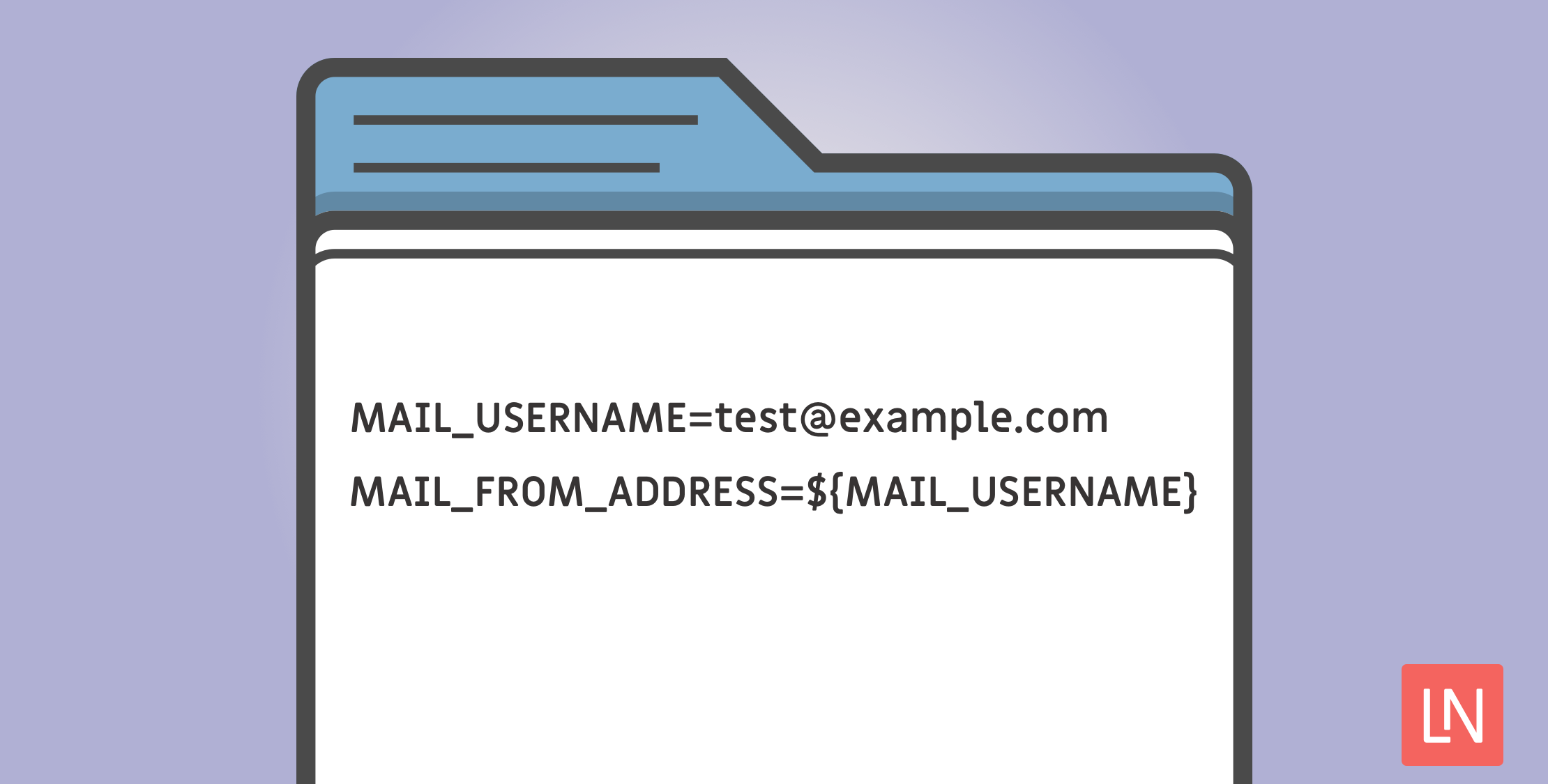
The dotenv package that Laravel relies on can use variables with other defined variables in this same file. For example:

MAIL_USERNAME=hello@laravel-news.com
MAIL_FROM_ADDRESS=${MAIL_USERNAME}

Granted this file isn’t usually crazy long or complicated, but this simple trick allows you not to repeat yourself and can be useful when you have multiple services requiring the same piece of data.

Many thanks to Caleb Porzio for pointing out the ability to do this.

Eric L. Barnes photo

Eric is the creator of Laravel News and has been covering Laravel since 2012.

Sponsored

acquaintsoft logo
Acquaint Softtech

Hire Laravel developers with AI expertise at $20/hr. Get started in 48 hours.

Visit Acquaint Softtech

The latest

View all →
Image Dominant Color and HEIC Support in Laravel 13.24 image

Image Dominant Color and HEIC Support in Laravel 13.24

Read article
Official Laravel Zed Extension: LSP for PHP & Blade image

Official Laravel Zed Extension: LSP for PHP & Blade

Read article
Laravel Head: Manage Meta Tags, Open Graph, and JSON-LD image

Laravel Head: Manage Meta Tags, Open Graph, and JSON-LD

Read article
PhpStorm 2026.2 Released image

PhpStorm 2026.2 Released

Read article
Laravel Doctor: Diagnose Your App With One Artisan Command image

Laravel Doctor: Diagnose Your App With One Artisan Command

Read article
CPX: The Composer Package Executor for PHP image

CPX: The Composer Package Executor for PHP

Read article