News

You can now easily change the default database auto increment value in Laravel

Published
You can now easily change the default database auto increment value in Laravel image

Laravel 8 adds a brand new method to make changing the auto-increment starting value easy, and here is the official announcement made on Twitter:

Sneaking this into Laravel 8.x today… pic.twitter.com/Bg24S7iX4j

— Taylor Otwell (@taylorotwell) September 6, 2020

public function up()
{
    Schema::create('posts', function (Blueprint $table) {
        $table->id()->startingValue(1200);
        ...

Changing the auto-increment through the various database platforms has always been possible, but you needed to do it via a raw command. With the addition of the startingValue method, this allows you to set the first number the auto-increment will start at in a fluent Laravel way.

For most apps, you will probably not need this but in those situations where you do not want a record starting at one, it’s a handy option.

Eric L. Barnes photo

Eric is the creator of Laravel News and has been covering Laravel since 2012.

Sponsored

serpapi logo
SerpApi

The Web Search API for Your LLM and AI Applications

Visit SerpApi

The latest

View all →
Laravel AI SDK 1.4 Lets Agents Recover From Tool Failures image

Laravel AI SDK 1.4 Lets Agents Recover From Tool Failures

Read article
Laravel Read Replicas: Check if a Replica Has Caught Up image

Laravel Read Replicas: Check if a Replica Has Caught Up

Read article
UUID Request Input and Migration Failure Events in Laravel 13.42 image

UUID Request Input and Migration Failure Events in Laravel 13.42

Read article
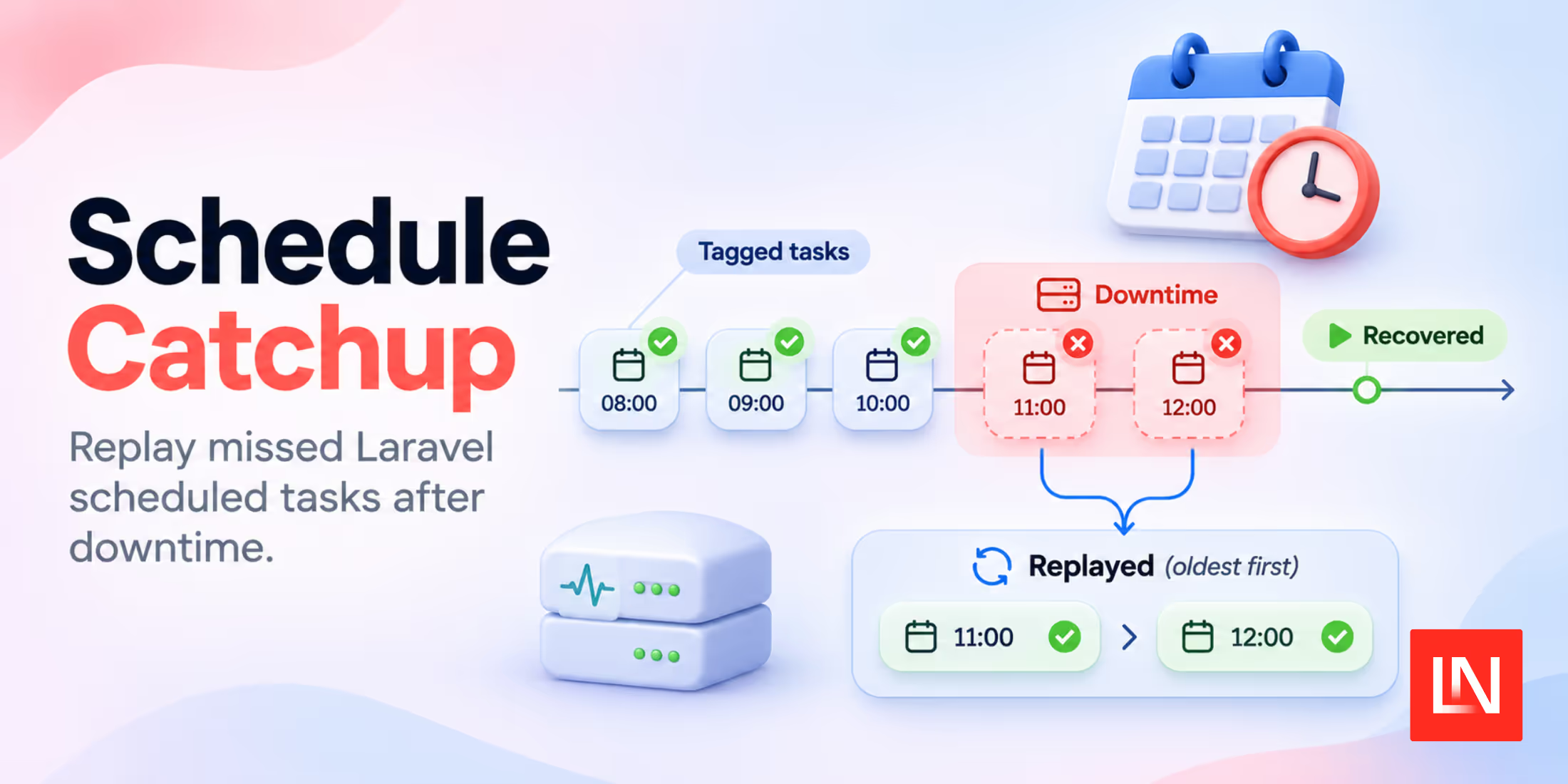
Replay Missed Laravel Scheduled Tasks With Schedule Catchup image

Replay Missed Laravel Scheduled Tasks With Schedule Catchup

Read article
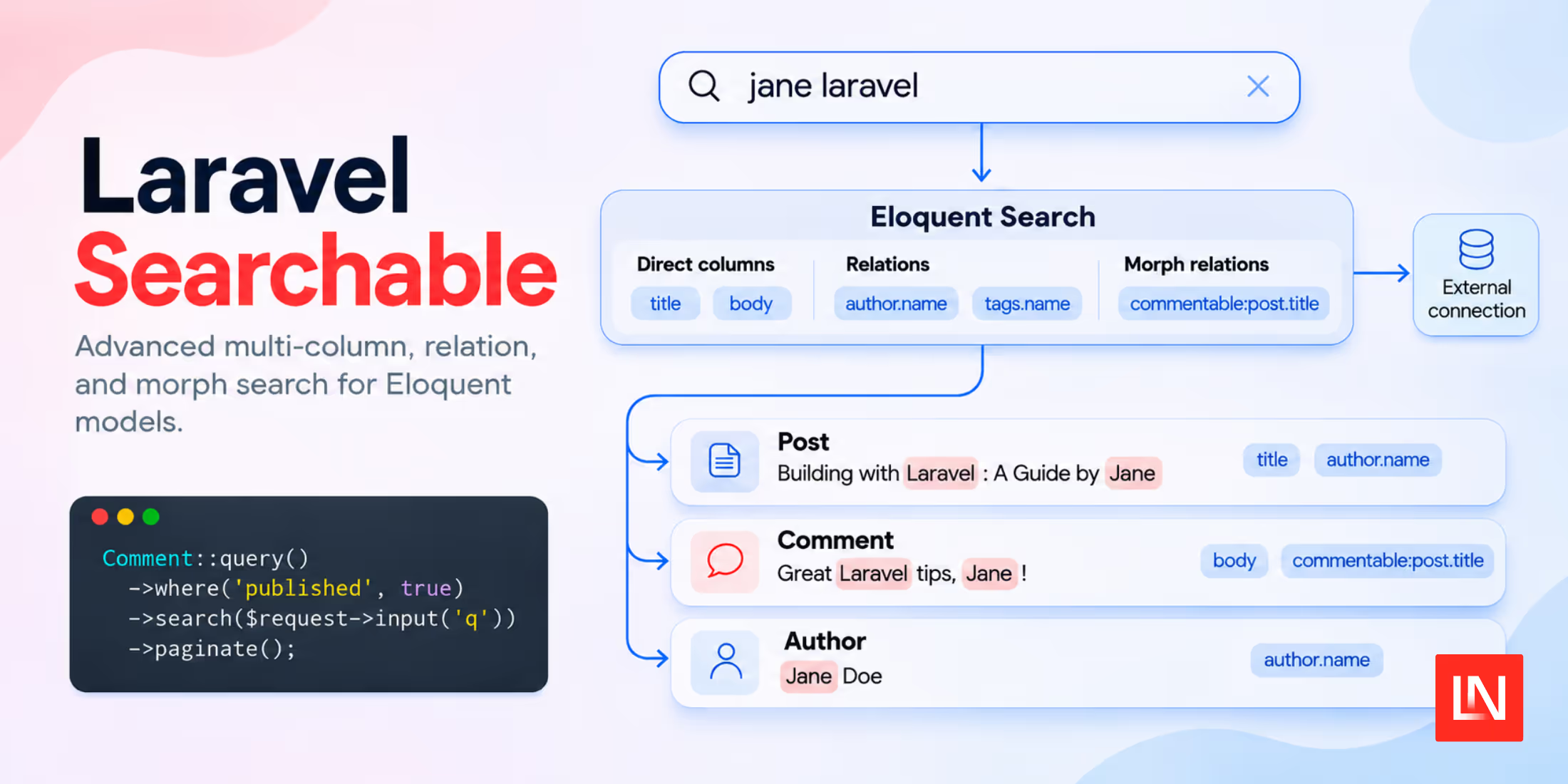
Search Polymorphic Relations and Filament Tables With Laravel Searchable image

Search Polymorphic Relations and Filament Tables With Laravel Searchable

Read article
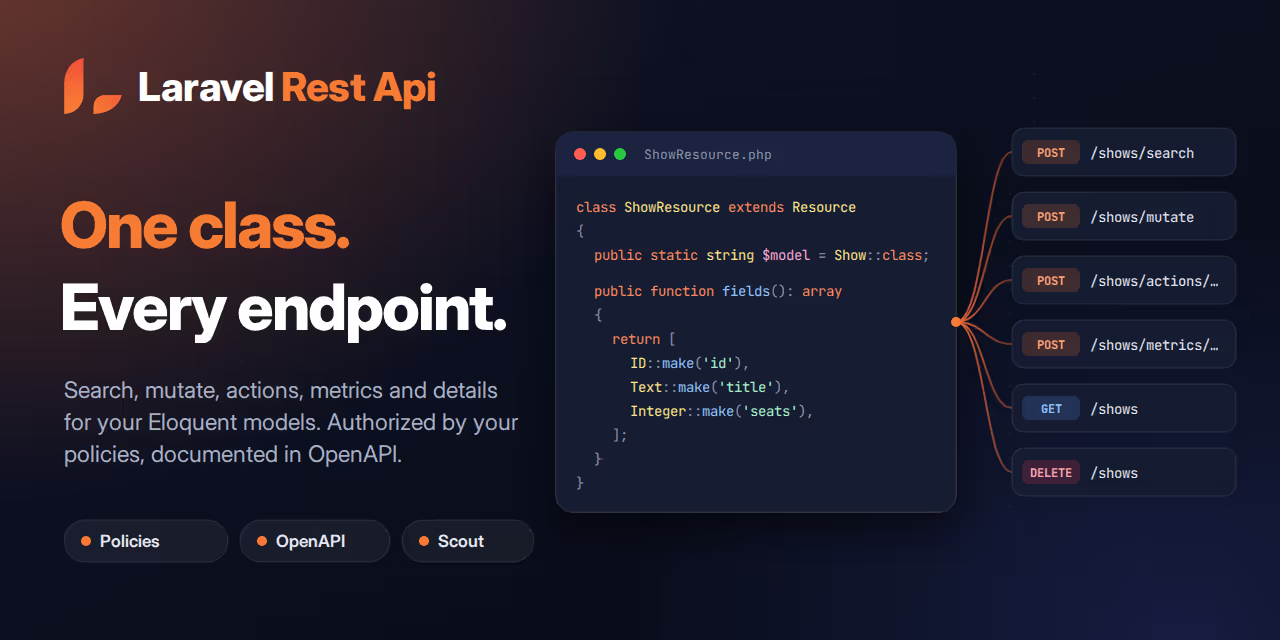
Laravel Rest Api 3.0: Typed Fields, Metrics, and OpenAPI Docs image

Laravel Rest Api 3.0: Typed Fields, Metrics, and OpenAPI Docs

Read article