If you've ever run a migration that left your local SQLite database in a broken state, or a seeder that wiped out carefully arranged test data, and wished you could roll back to exactly where you started, Tyro Checkpoint is built for that workflow. Created by Hasin Hayder, this dev-only Laravel package lets you create named snapshots of your SQLite database and restore them instantly, without re-running migrations or seeders.
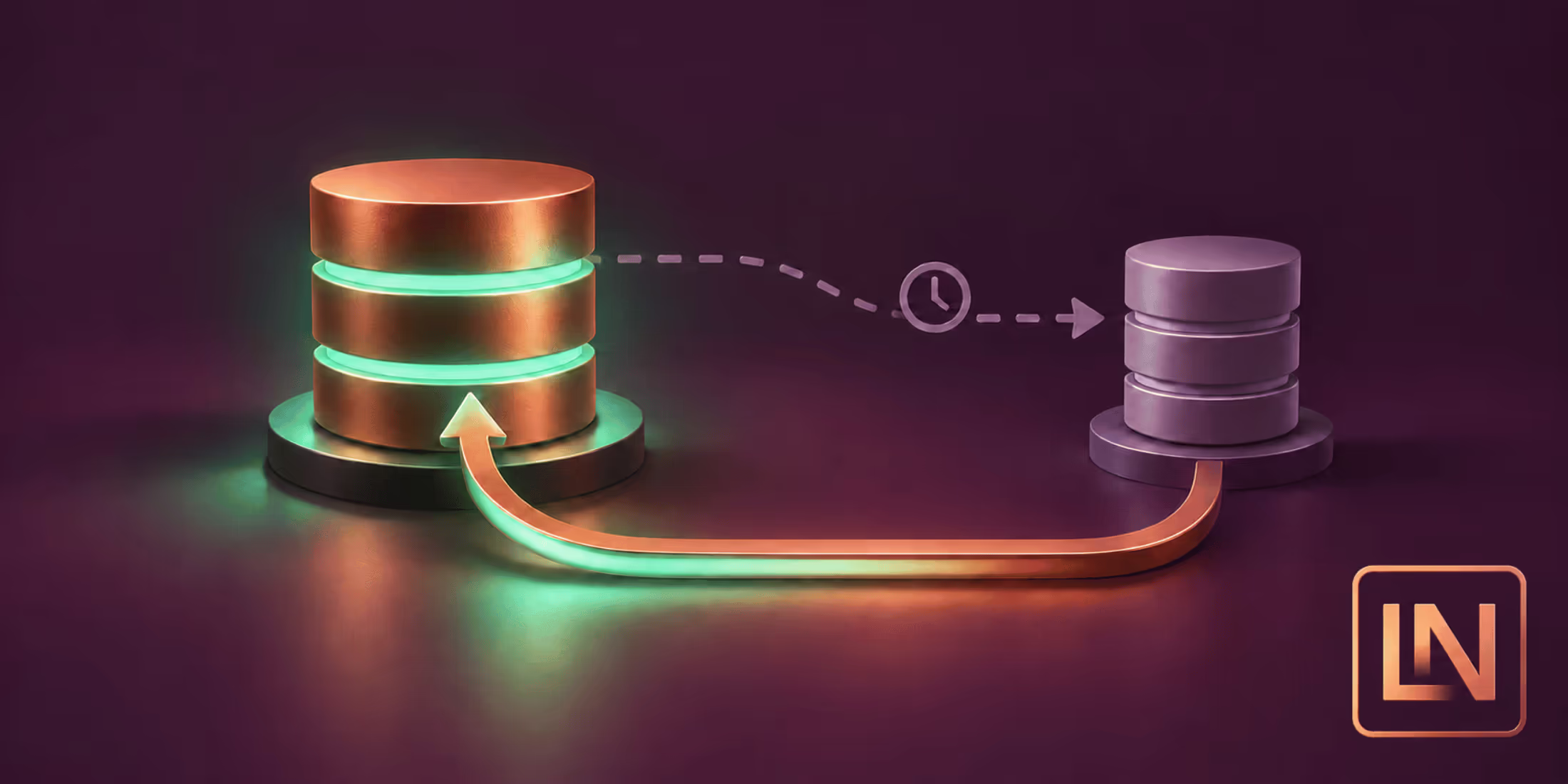
Tyro Checkpoint stores full copies of your SQLite database file outside the database itself. Metadata (names, timestamps, notes, lock status) is tracked in a checkpoints.json file, so restoring a snapshot won't wipe out your checkpoint history. Think of it like Git commits for your local database state.
Installation
composer require hasinhayder/tyro-checkpoint --devphp artisan tyro-checkpoint:installThe install command verifies your database configuration and creates the storage/tyro-checkpoints/ directory where snapshots are stored.
Creating and Restoring Checkpoints
Creating a checkpoint is one command:
php artisan tyro-checkpoint:create [snapshot_name]To see all your snapshots:
php artisan tyro-checkpoint:listWhen you're ready to roll back:
php artisan tyro-checkpoint:restore [snapshot_name]You can restore by name or by ID. Restored checkpoints remain available, so you can restore the same snapshot multiple times across a testing session without recreating it.
Managing Checkpoints
The package includes a handful of commands for keeping your checkpoints organized:
| Command | Description |
|---|---|
tyro-checkpoint:add-note [id] |
Attach a note to a checkpoint |
tyro-checkpoint:lock [id] |
Prevent a checkpoint from being deleted |
tyro-checkpoint:unlock [id] |
Remove lock protection |
tyro-checkpoint:delete [id] |
Delete a specific checkpoint |
tyro-checkpoint:flush |
Delete all unlocked checkpoints at once |
Locking is particularly useful for preserving a clean baseline—lock it, and tyro-checkpoint:flush won't touch it.
Optional Encryption
For development workflows involving production-like data, the package supports AES-256 file-level encryption. Generate a key first:
php artisan tyro-checkpoint:generate-keyAdd the key to your .env file as TYRO_CHECKPOINT_ENCRYPTION_KEY, and new checkpoints will be encrypted automatically.
Note: if you lose or rotate the encryption key, any checkpoints created with the old key become inaccessible.
Configuration
To customize the storage path, publish the config file:
php artisan tyro-checkpoint:publish-configThis creates config/tyro-checkpoint.php, where you can change the snapshot directory and manage encryption settings.
A Few Things to Keep in Mind
Each checkpoint is a full copy of your database file, so disk usage grows with each snapshot. The flush command helps with cleanup, but locked checkpoints must be deleted manually. This also isn't a production backup tool—it's a local development convenience.
You can find the source code at hasinhayder/tyro-checkpoint on GitHub and read the full documentation on the project site.